
Why Chimneys Leak During Pittsburgh Rainstorms
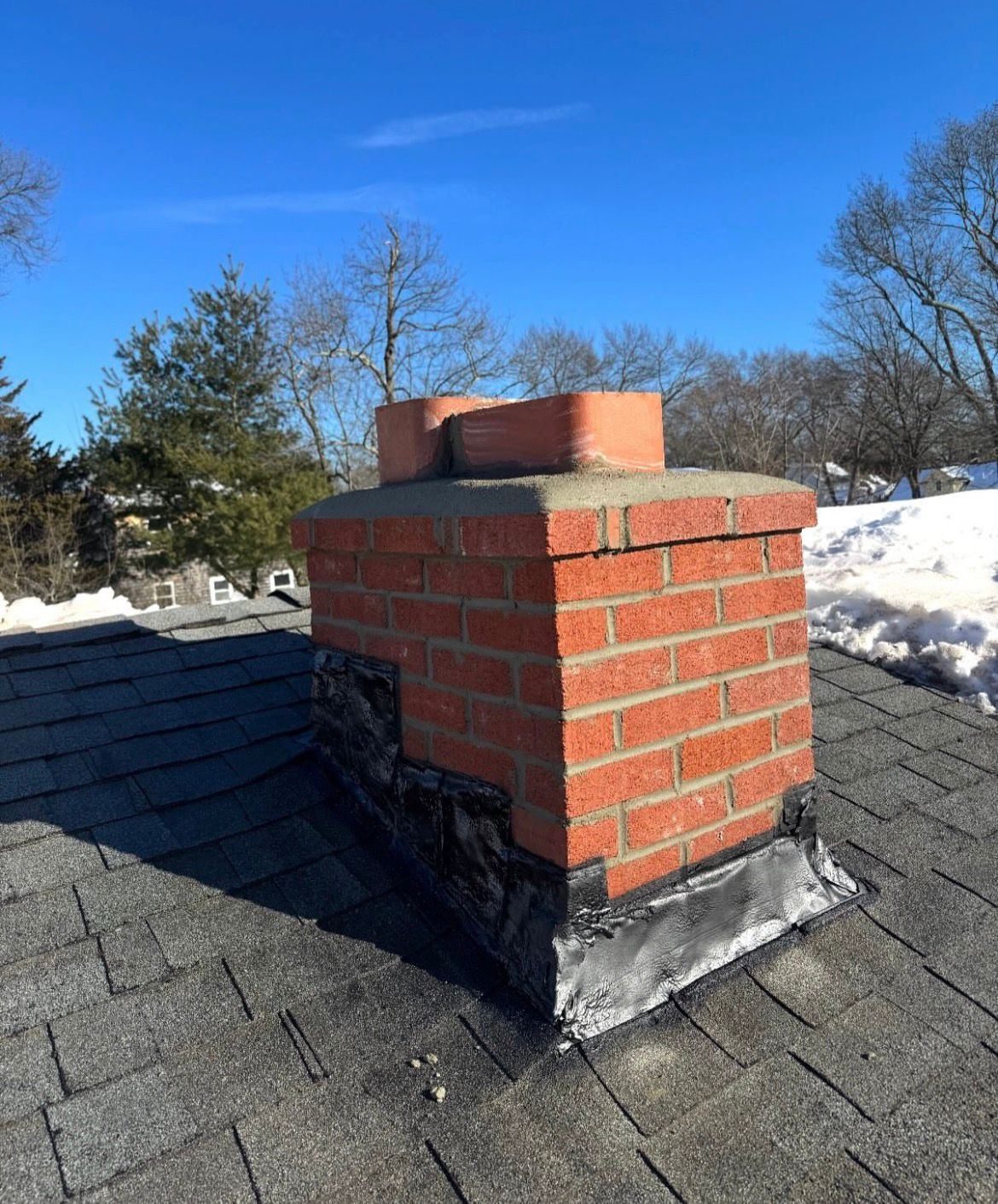
If you've noticed water coming in around your fireplace only during heavy rain, you're dealing with one of a fairly short list of likely causes. Pittsburgh gets its share of hard, sustained rainstorms through the year, and they have a way of finding whatever vulnerability already exists in a chimney's exterior.
A cracked or poorly sloped crown
The crown is supposed to shed water away from the flue opening, but a cracked or flat crown lets water pool and seep into the masonry below during a heavy, sustained rain in particular.
Failed flashing at the roofline
The metal flashing where the chimney meets the roof is one of the most common leak points during a storm, especially if it's corroded, come loose, or was installed incorrectly during a previous roofing job.
A missing or ineffective cap
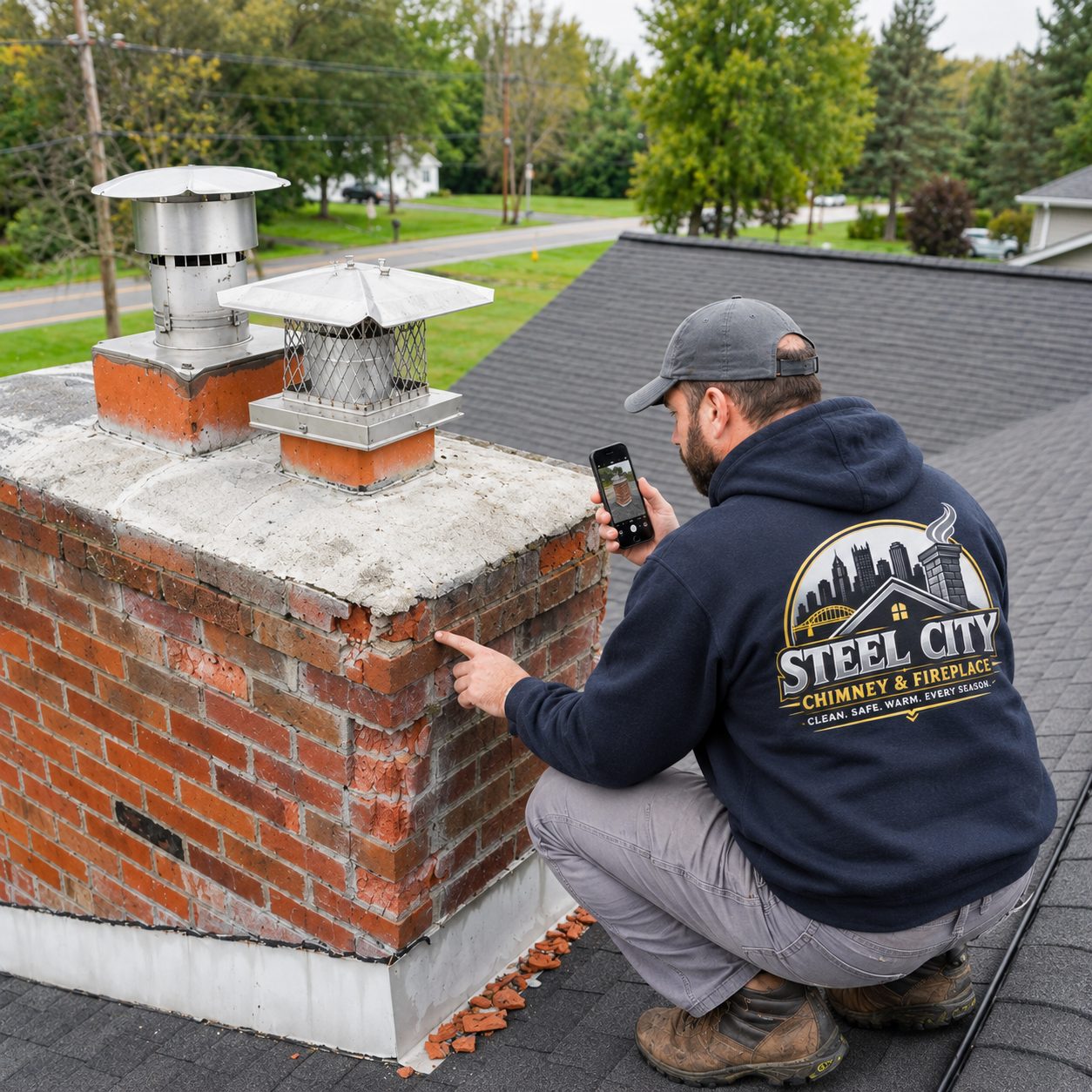
Without a cap, or with one that's damaged, rain falls directly into the open flue during any storm with meaningful rainfall, not just extreme weather.
Porous, unsealed masonry
Brick and mortar naturally absorb some water, but unsealed or already-damaged masonry can absorb enough during a hard rain to show up as interior moisture, even without a distinct "hole" anywhere in the system.
Why storms make it obvious
Light or brief rain often isn't enough to reveal a marginal weak point. It typically takes a longer, harder rain — exactly the kind Pittsburgh sees regularly through spring and summer — to push enough water through a small crack or gap that it becomes visible inside the home.
Finding the actual source
Because more than one of these issues can be present on an older chimney at the same time, the most reliable way to stop a recurring leak is a full inspection that traces the water back to where it's actually getting in, rather than guessing and repairing the most visible issue first.
Ready to get your chimney checked out?
Request a free estimate online or give us a call — we'll get back to you quickly.