Chimney Cleaning in Pittsburgh, PA
Thorough creosote and soot removal so your chimney vents safely and your fireplace performs the way it should.

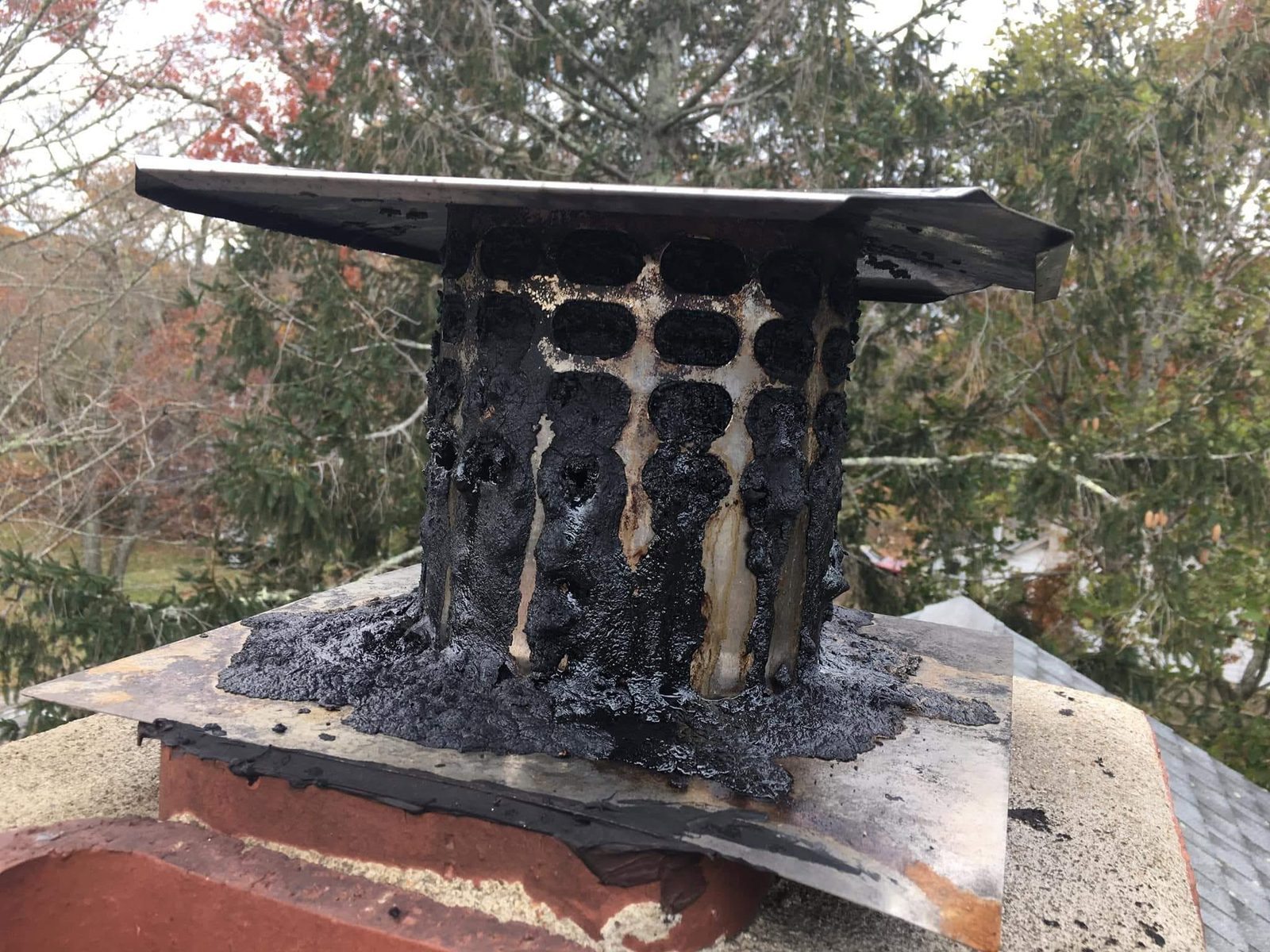
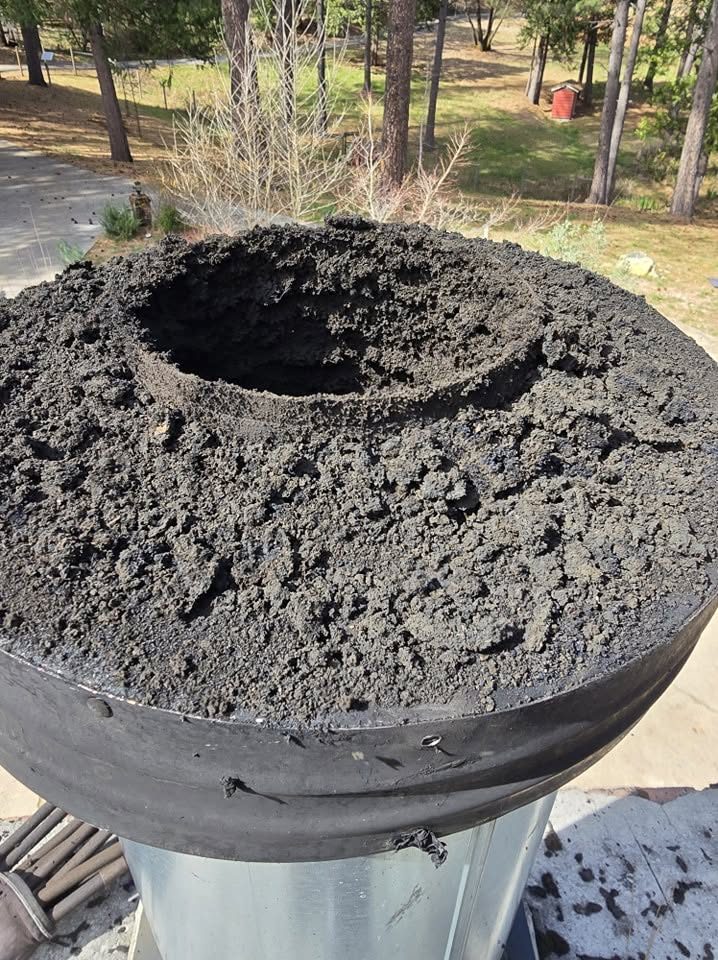
Every time wood burns in a fireplace, wood stove, or insert, it leaves behind a residue called creosote that coats the inside of the flue. Over a season of regular use, that buildup thickens, and it doesn't just sit there quietly. Creosote is combustible, it narrows the flue's usable diameter, and it mixes with soot, leaves, and other debris that can restrict airflow.
Chimney cleaning — also called chimney sweeping — is the process of physically removing that buildup from the flue, smoke chamber, and firebox so the system can vent properly and burn safely. We use brushes, rotary tools, and HEPA-filtered vacuum equipment suited to your flue's size and liner material, and we're careful to protect your hearth, floors, and furnishings with drop cloths and containment while we work.
Common Chimney Cleaning Problems We Address
- Creosote glazing that has built up over one or more burning seasons
- Soot, ash, and loose debris restricting draft
- Nests, leaves, or other blockages left behind by wildlife
- Lingering smoke odor caused by trapped residue
- Reduced draft and smoky starts caused by a dirty flue
Signs You May Need Chimney Cleaning
A persistent campfire odor, especially in humid weather, usually points to creosote sitting in the flue.
A flue that's partially blocked or coated in creosote won't draw properly.
If you can see dark, flaky deposits at the firebox opening, buildup has already progressed.
Routine cleaning on a normal-use schedule is the simplest way to avoid buildup problems altogether.
Our Process
- Protect the work area. We lay drop cloths from the hearth through the home and set up containment around the firebox opening.
- Sweep the flue. Using brushes sized to your flue and rotary or hand tools as needed, we work buildup loose from top to bottom or bottom to top depending on chimney access.
- HEPA vacuum the debris. A HEPA-filtered vacuum captures fine soot and creosote dust so it doesn't end up in your living space.
- Inspect as we go. Cleaning gives us a clear look at the flue liner, damper, and smoke chamber, so we can flag anything that needs repair.
- Final walkthrough. We show you what we found, answer questions, and leave the hearth area as clean as we found it.
A Pittsburgh Consideration
Pittsburgh's mix of older brick homes and long, cold heating seasons means a lot of local chimneys see heavier wood-burning use than homes in milder climates. Freeze-thaw cycles can also make existing cracks in a flue liner worse, so a cleaning visit is a good opportunity to check liner condition before creosote buildup or moisture cause a bigger problem.
Benefits of Chimney Cleaning
- Lowers the risk of a chimney fire caused by creosote ignition
- Restores proper draft so smoke exits instead of backing into the room
- Removes odors caused by trapped soot and moisture
- Gives us visual access to catch liner or masonry issues early
- Keeps a wood-burning system running the way it was designed to
Frequently Asked Questions
Most wood-burning fireplaces and stoves used regularly through a Pennsylvania winter benefit from a cleaning once a year, typically before the heating season starts. Chimneys used less frequently may go longer between cleanings, which is something we can advise on after a look at your system.
It shouldn't be. We use HEPA-filtered vacuum equipment and drop cloths to contain soot and creosote, and we clean up thoroughly before we leave.
Gas appliances don't produce creosote the way wood fires do, but the venting system still needs periodic inspection for blockages, corrosion, and proper clearance.
Yes. Cleaning gives our technicians a clear view of the flue interior, and we'll flag anything — cracked liner tile, loose mortar, damper issues — that needs a closer look or repair.
Need Chimney Cleaning in the Pittsburgh Area?
Request a free estimate online or call us directly — we will follow up quickly to schedule a visit.