
How Freeze-Thaw Cycles Damage Masonry Chimneys

If you've talked to a mason or chimney technician anywhere in the northeastern or midwestern United States, you've probably heard the phrase "freeze-thaw damage." It's one of the most common reasons masonry chimneys deteriorate in climates like Pittsburgh's, and understanding the actual mechanism explains why small cracks tend not to stay small.
The basic mechanism
Brick and mortar are porous materials, meaning they naturally absorb some amount of water. When that water is trapped inside the material and the temperature drops below freezing, it expands as it turns to ice — water is one of the few substances that takes up more volume as a solid than as a liquid. That expansion puts pressure on the surrounding material from the inside.
A single freeze doesn't usually do much damage on its own. The problem is repetition: Pittsburgh's winters bring many freeze-thaw cycles in a single season, as temperatures swing above and below freezing repeatedly rather than staying consistently cold. Each cycle adds a small amount of stress, and over years, that stress adds up to cracking, spalling, and mortar breakdown.
Where it shows up first
The chimney crown, being the most exposed horizontal surface on the entire structure, is often one of the first places freeze-thaw damage becomes visible. Mortar joints are another common early failure point, since mortar is generally softer and more porous than the brick units it holds together.
Why small cracks matter so much
A hairline crack might seem cosmetic, but it's an entry point for water, and once water gets inside a crack, the freeze-thaw cycle works from the inside of that crack outward, widening it a little more with each cold snap. This is the core reason chimney professionals emphasize addressing small cracks and gaps promptly rather than waiting until they're more visibly obvious.
What actually helps
- Sealing small cracks in the crown before they widen further
- Repointing deteriorated mortar joints before water gets deeper into the wall assembly
- Applying a breathable masonry water repellent to reduce how much water the brick absorbs in the first place
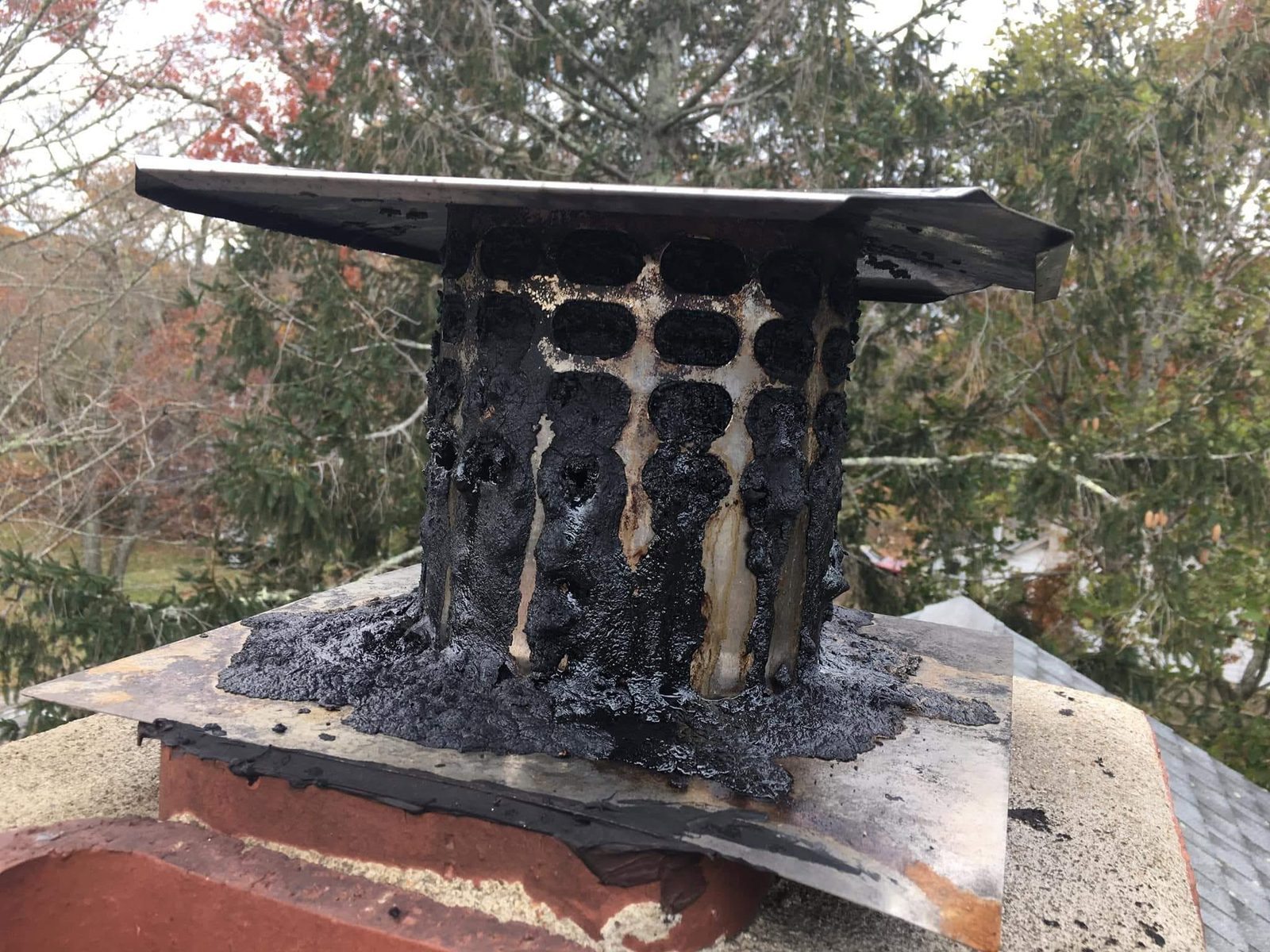
- Making sure the cap and flashing are intact, since both help keep water away from the masonry to begin with
None of this eliminates freeze-thaw cycling — that's just the climate here — but each of these steps reduces how much water actually gets into the masonry, which is the variable that's actually within your control.
Ready to get your chimney checked out?
Request a free estimate online or give us a call — we'll get back to you quickly.