
Why Pittsburgh Winters Are Hard on Brick Chimneys
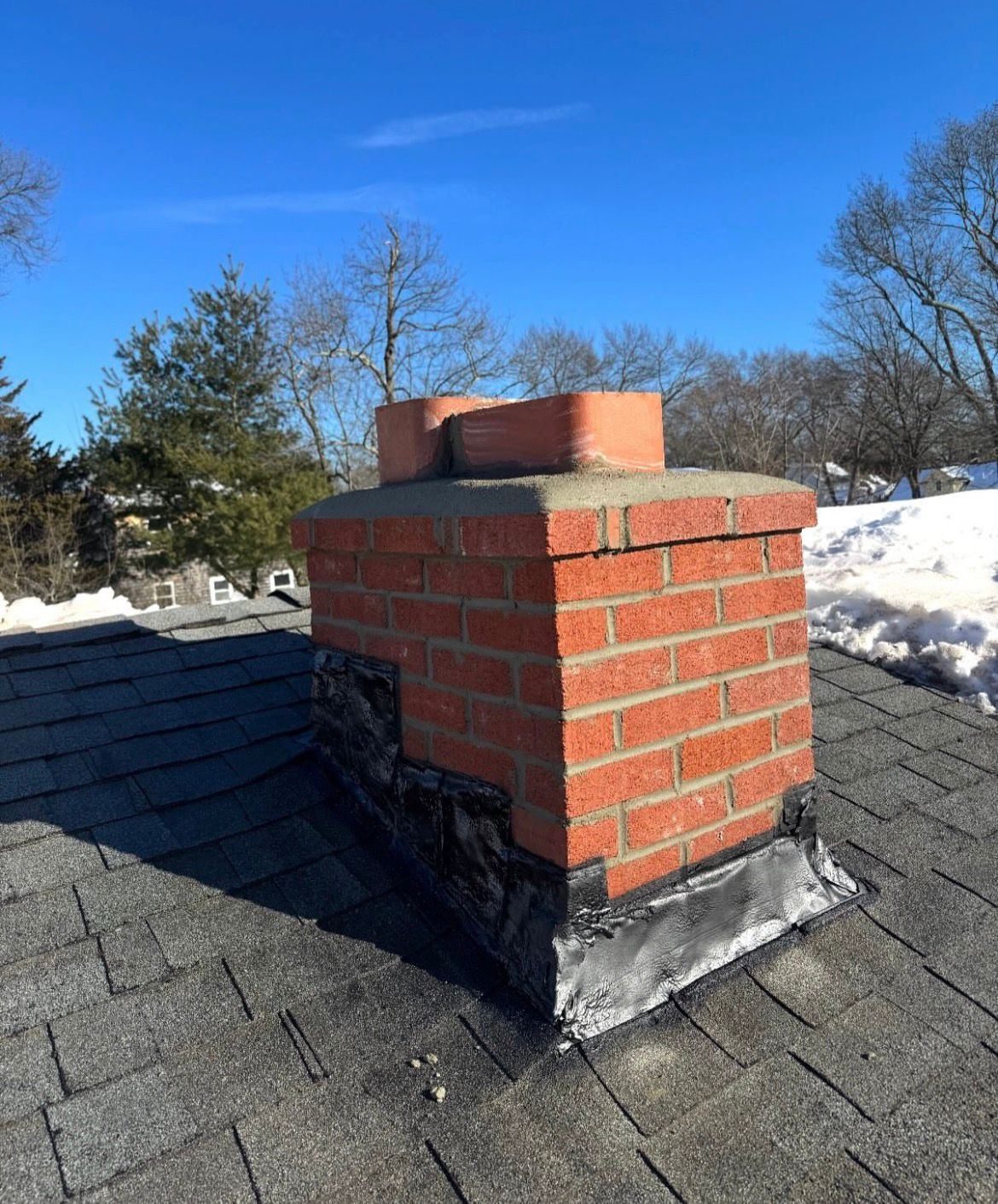
The Freeze-Thaw Cycle in Plain English
Brick and mortar naturally absorb some water, which is normally fine. The problem starts when that trapped water freezes — ice takes up more volume than liquid water, so the expansion puts pressure on the surrounding material from the inside out.
Why Saturated Masonry Is More Vulnerable
A single freeze rarely causes much visible damage on its own. Pittsburgh's winters are particularly hard on masonry because temperatures swing above and below freezing repeatedly through a season, rather than staying steadily cold — meaning the same crack gets stressed over and over rather than just once.
Spalling: When the Face of a Brick Starts Breaking Away
Spalling happens when trapped moisture inside a brick freezes and pushes the outer face off in flakes or chunks. It's one of the more visually obvious signs of freeze-thaw damage, and once it starts on a few bricks, nearby ones are often absorbing similar amounts of water.

Mortar Joints Often Show Trouble First
Mortar is intentionally softer and more porous than the brick units it holds together — it's designed to wear as a sacrificial layer. That also makes it one of the first places freeze-thaw damage becomes visible, well before the brick itself starts to fail.
Crowns and Flashing Take Weather Too
The crown, being the most exposed horizontal surface on the whole structure, often shows cracking earlier than the vertical masonry below it. Flashing seams face similar stress from repeated expansion and contraction as temperatures swing through the season.
What to Check When Winter Ends
- New or wider cracks in the crown compared to fall
- Fresh brick flaking or chunks near the chimney base
- Mortar that looks more crumbly than it did before winter
- Any new interior staining that appeared during the season
Ready to get your chimney checked out?
Request a free estimate online or give us a call — we'll get back to you quickly.