
Pittsburgh Chimney Spring Checklist: What Winter May Have Damaged
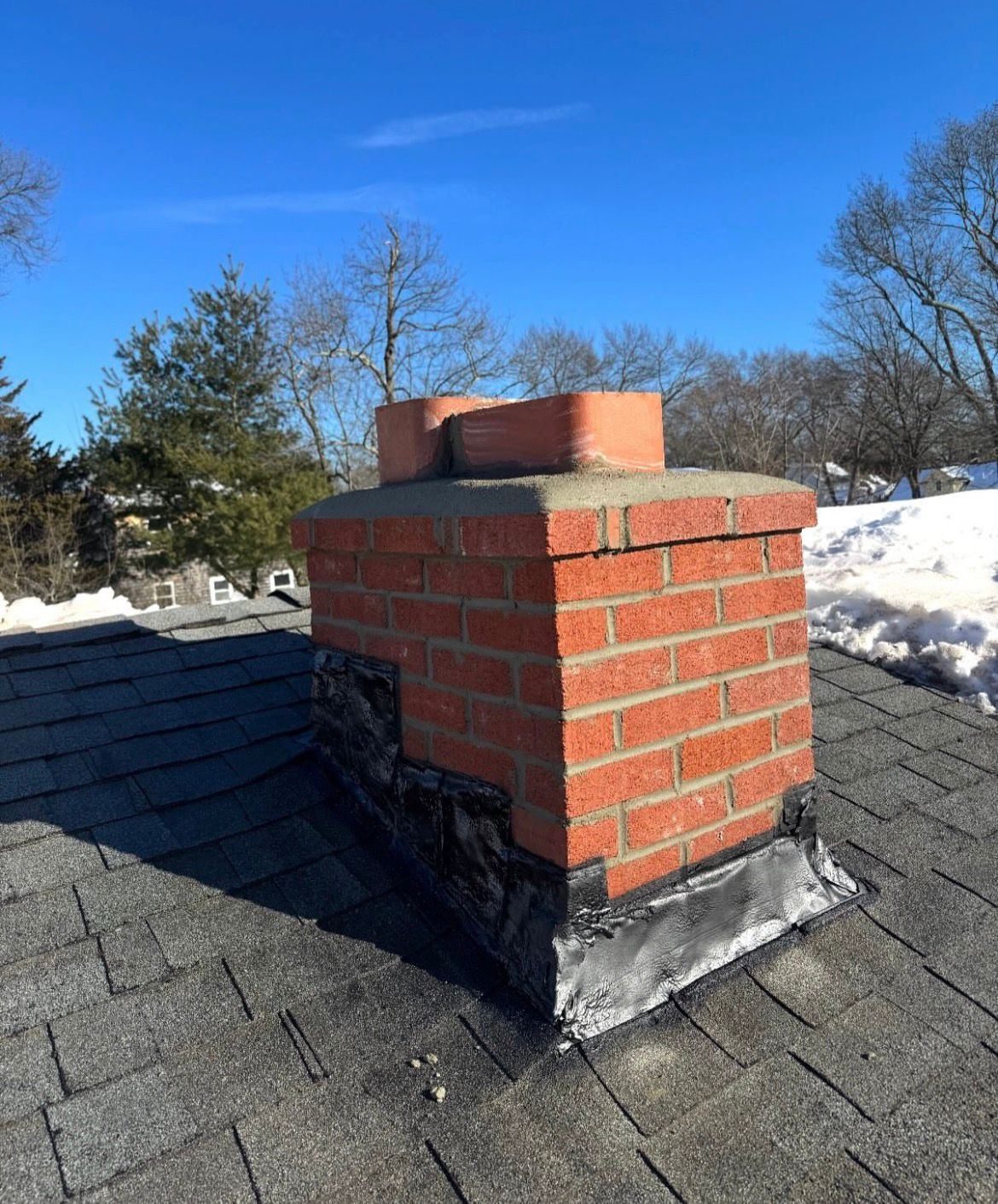
1. Look for New Brick Flaking
Walk the perimeter of the house and look up at the chimney for any new spalled or flaking brick faces that weren't there in the fall — a classic sign of a winter's worth of freeze-thaw cycling.
2. Check Mortar Joints From a Safe Ground Position
Using binoculars if needed, look for mortar that appears more crumbly, cracked, or missing compared to before winter. You don't need to climb anything to spot obvious changes.
3. Look for Crown or Cap Changes
From the ground or a nearby elevated vantage point, check whether the crown looks cracked or uneven, and whether the cap appears intact, straight, and properly seated.
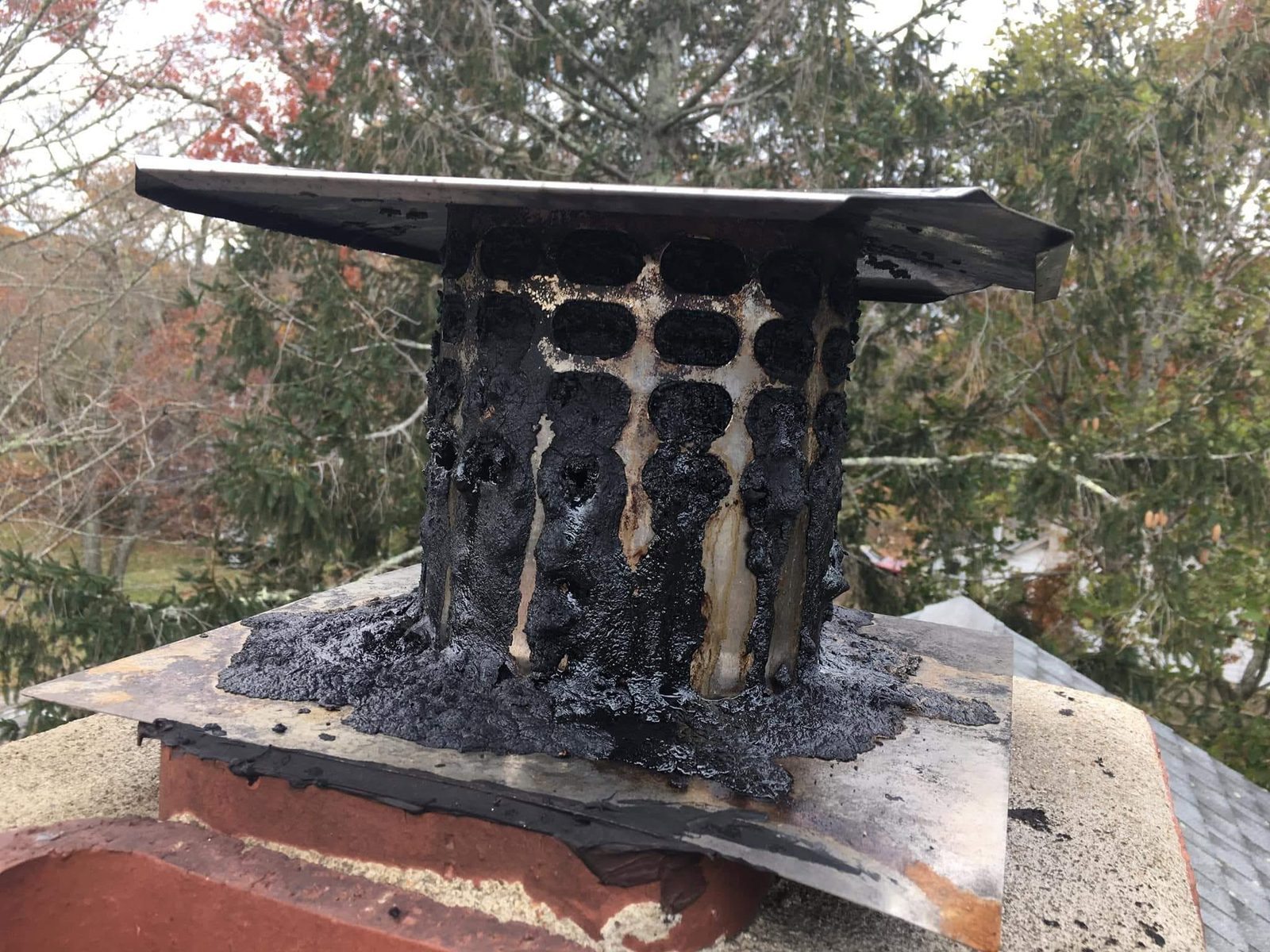
4. Watch the Ceiling and Walls Near the Chimney
New staining, peeling paint, or discoloration near the chimney chase inside the home can indicate water intrusion that occurred during the winter, even if it wasn't dramatic enough to notice in the moment.
5. Note Rust, Odors or Dampness
Check the damper and any visible metal components for new rust, and note any musty smell near the fireplace that wasn't present before winter — both can indicate moisture exposure over the season.
6. Think About How the Fireplace Performed
Did the fireplace draft normally throughout the winter, or did you notice more smoke, harder starts, or unusual behavior at any point? These observations are useful details for a service visit even if nothing looks visibly wrong.
7. Schedule a Closer Look When Something Changed
If any of the above turned up something new, a proper inspection can confirm what's actually going on and whether it needs prompt attention or can be scheduled with the rest of your seasonal maintenance.
Ready to get your chimney checked out?
Request a free estimate online or give us a call — we'll get back to you quickly.