
How Often Should You Clean a Chimney in Pennsylvania?

The standard advice you'll hear is "clean your chimney once a year," and for most Pennsylvania homeowners who use a wood-burning fireplace or stove regularly through the winter, that's a reasonable baseline. But it's a baseline, not a rule that fits every situation. How much creosote builds up in your flue depends heavily on how often you burn, what you burn, and how well your fireplace or stove drafts to begin with.
What actually determines cleaning frequency
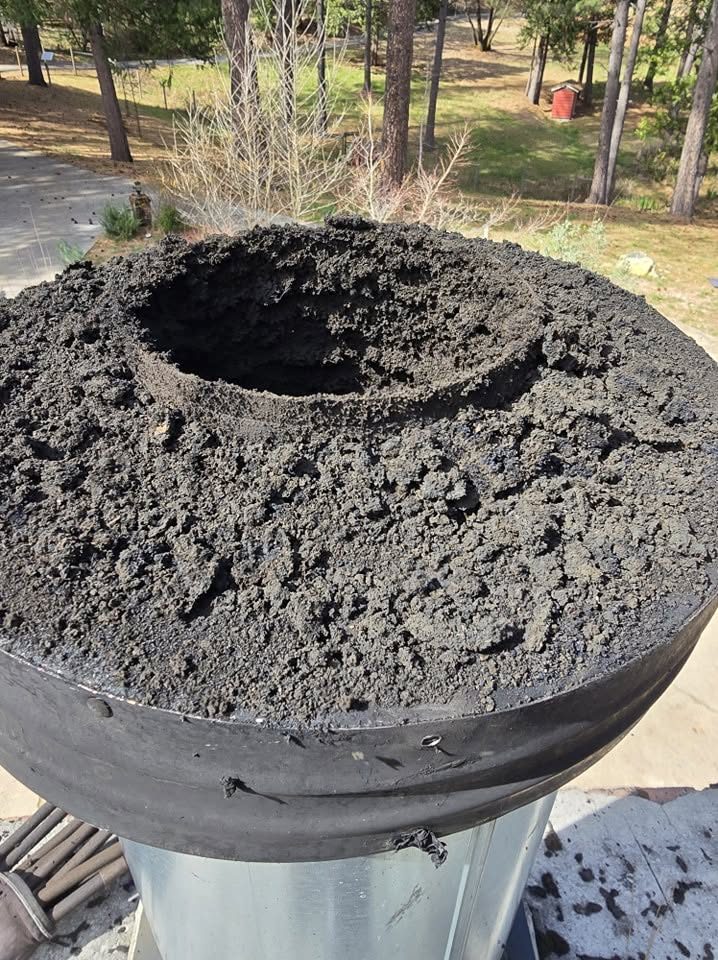
Creosote forms when wood smoke condenses on the cooler surfaces of the flue. Burning frequency is the biggest factor, but it's not the only one. Wood that hasn't been properly seasoned burns cooler and produces more creosote than well-seasoned hardwood. A fireplace or stove that doesn't draft efficiently — because of an oversized flue, a damaged liner, or a poorly sealed damper — also tends to deposit more creosote per fire than a well-tuned system.
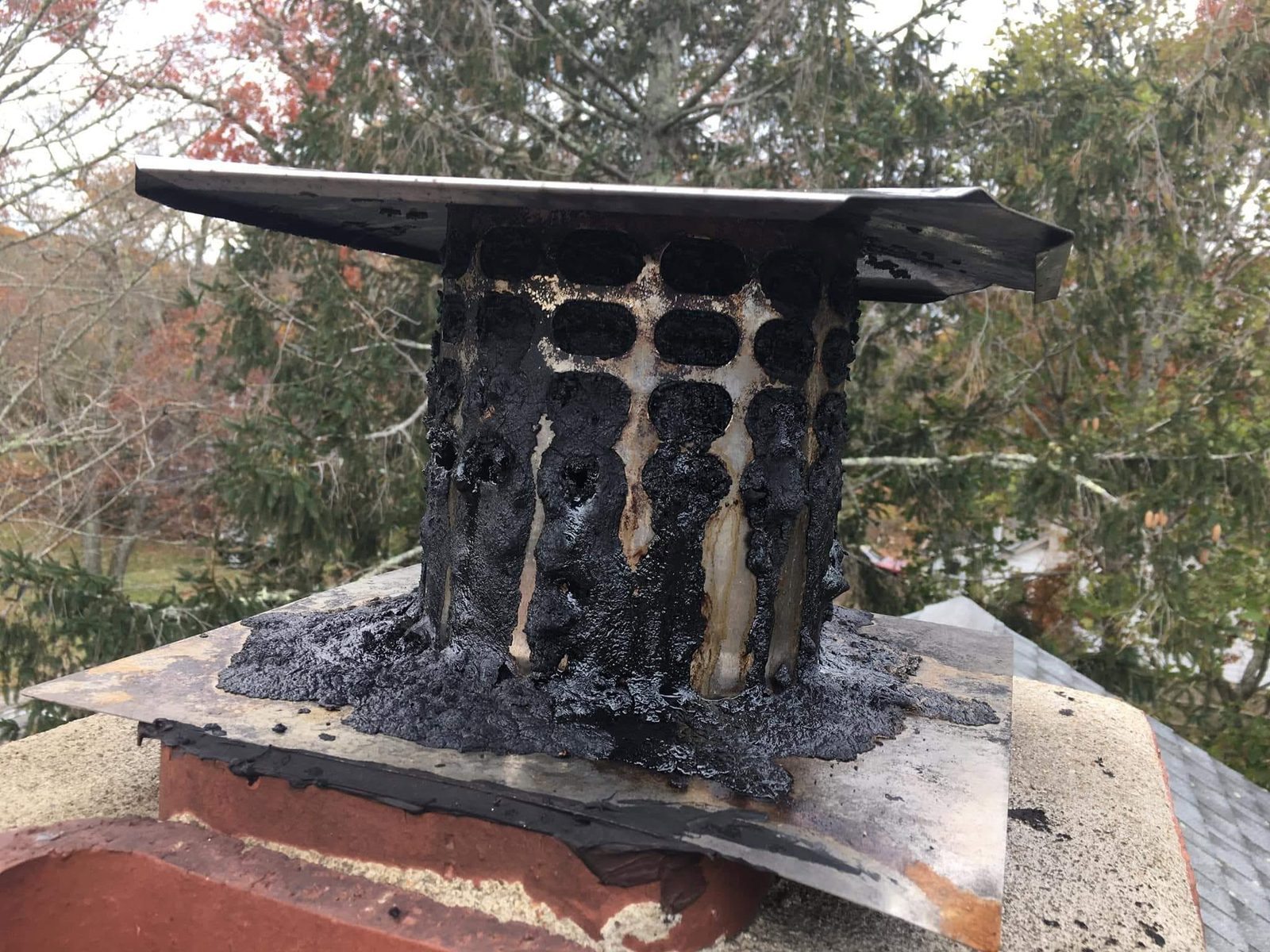
That's why the Chimney Safety Institute of America's often-cited guidance is really a combination of two things: inspect annually regardless of use, and clean based on actual accumulation, which a qualified sweep can assess visually rather than guessing from a calendar.
A rough guide by usage pattern
- Daily or near-daily burning through the winter: often needs cleaning at least once a season, sometimes twice depending on wood quality and draft.
- Weekend or occasional burning: usually fine with an annual cleaning before the season starts.
- Rarely used, mostly for ambiance a few times a year: still worth an annual inspection, since chimneys deteriorate from weather exposure even without use, though cleaning may not be needed every year.
- Gas fireplaces: don't produce creosote the same way, but the venting system should still be checked periodically for blockages and corrosion.
Why the Pennsylvania climate matters
A genuine four-season climate with a long, cold heating stretch means many Pittsburgh-area households get more actual use out of their fireplace or wood stove than homeowners in milder parts of the country. More use means more creosote accumulates over a given season, which is one reason the "once a year, before the season starts" guidance tends to hold up well here specifically.
The simplest approach
Rather than trying to estimate your own creosote buildup, the most reliable approach is a combination: schedule an inspection annually, let a professional assess actual creosote thickness and condition, and clean when it's warranted rather than on a rigid schedule that might mean cleaning more or less often than your system actually needs.
Ready to get your chimney checked out?
Request a free estimate online or give us a call — we'll get back to you quickly.