
Cracks Inside Your Firebox: Cosmetic or a Real Problem?
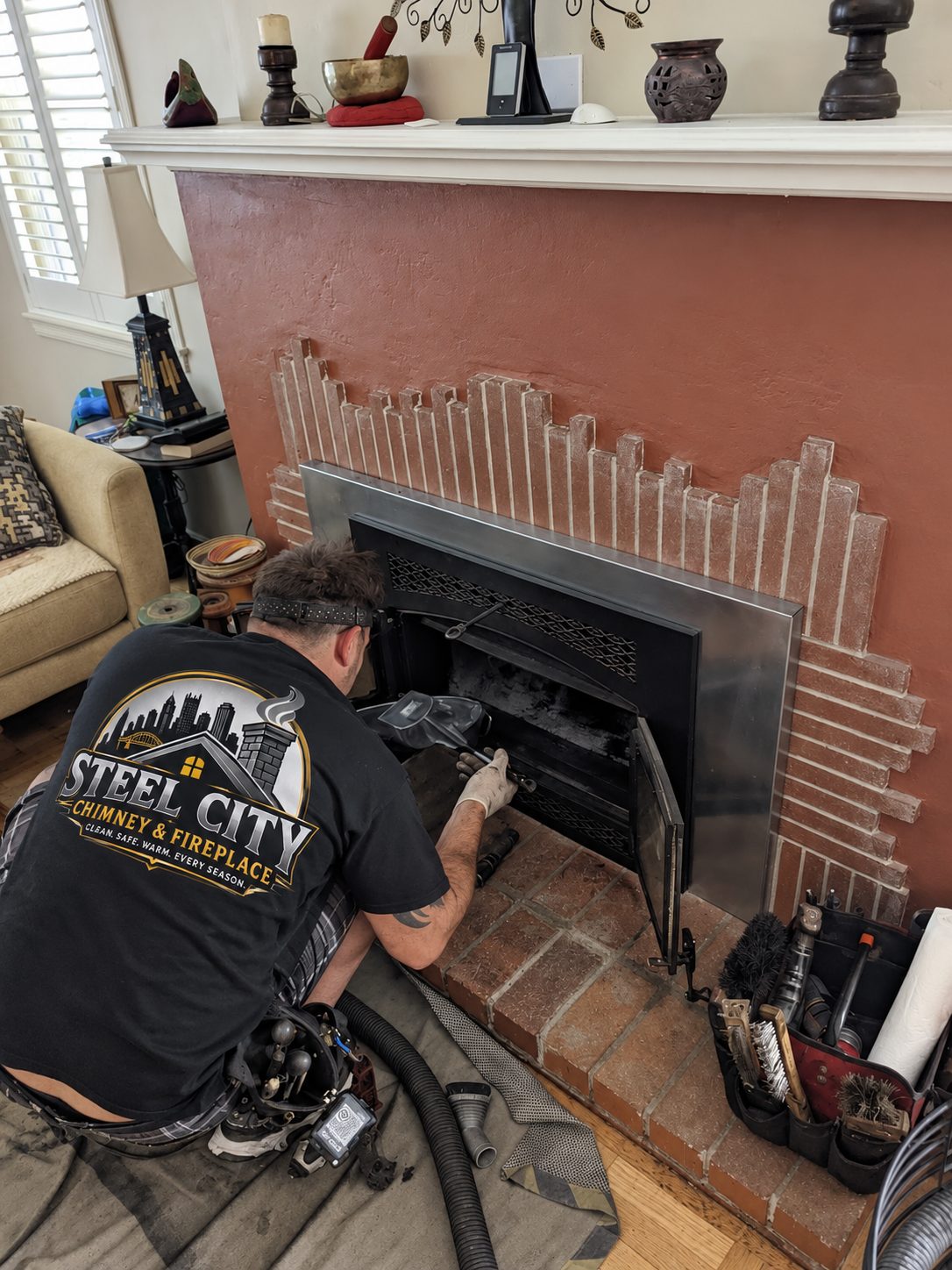
Where Firebox Cracks Appear
Cracks can show up in the firebrick itself, in the mortar joints between bricks, or at the back and side walls that see the most direct, repeated heat exposure over the life of the fireplace.
Small Surface Cracks vs. Open or Loose Joints
A fine, stable hairline crack in a single brick is a different situation than a joint that's visibly open or brick that's become loose to the touch. The first is often something to monitor; the second usually warrants prompt repair.
Why Heat Makes Firebox Repairs Different
Firebox repairs use refractory materials specifically rated for direct, repeated heat exposure — regular masonry mortar isn't designed for this environment and will fail faster if used here by mistake.
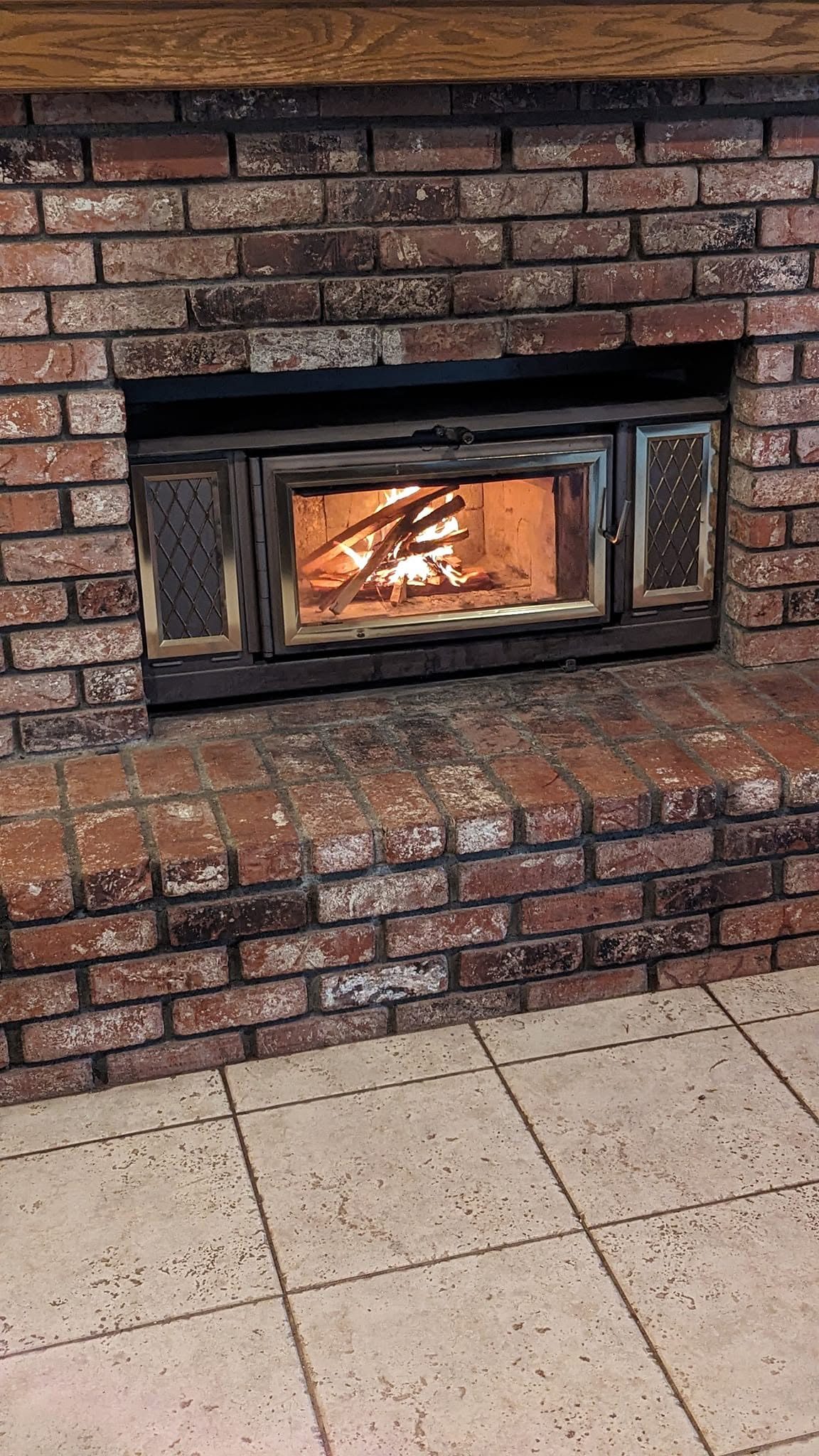
Look for Loose Material and Repeated Movement
A crack that seems to be widening over successive uses, or one accompanied by loose brick or crumbling mortar, is a stronger signal than a crack that has looked the same for a long time.
Do Not Cover a Crack Without Understanding It
Patching over a firebox crack without knowing whether it goes all the way through, or what's causing it, risks masking a problem that's actually letting heat reach material behind the firebox wall that shouldn't be exposed to it.
When to Schedule a Fireplace Evaluation
New cracking, cracking that's visibly changed since you first noticed it, or any crack alongside other symptoms like an unusual smell or discoloration on nearby surfaces are all reasonable triggers for having the firebox looked at directly.
Ready to get your chimney checked out?
Request a free estimate online or give us a call — we'll get back to you quickly.