Chimney Repair or Rebuild? How to Tell the Difference
Start With Stability, Not Appearance
A chimney can look rough — discolored, weathered, a little uneven — and still be structurally sound. Conversely, a chimney can look reasonably tidy from a distance while having real structural issues underneath. Stability, not cosmetics, is what should drive the repair-versus-rebuild decision.
When Targeted Repair May Be Enough
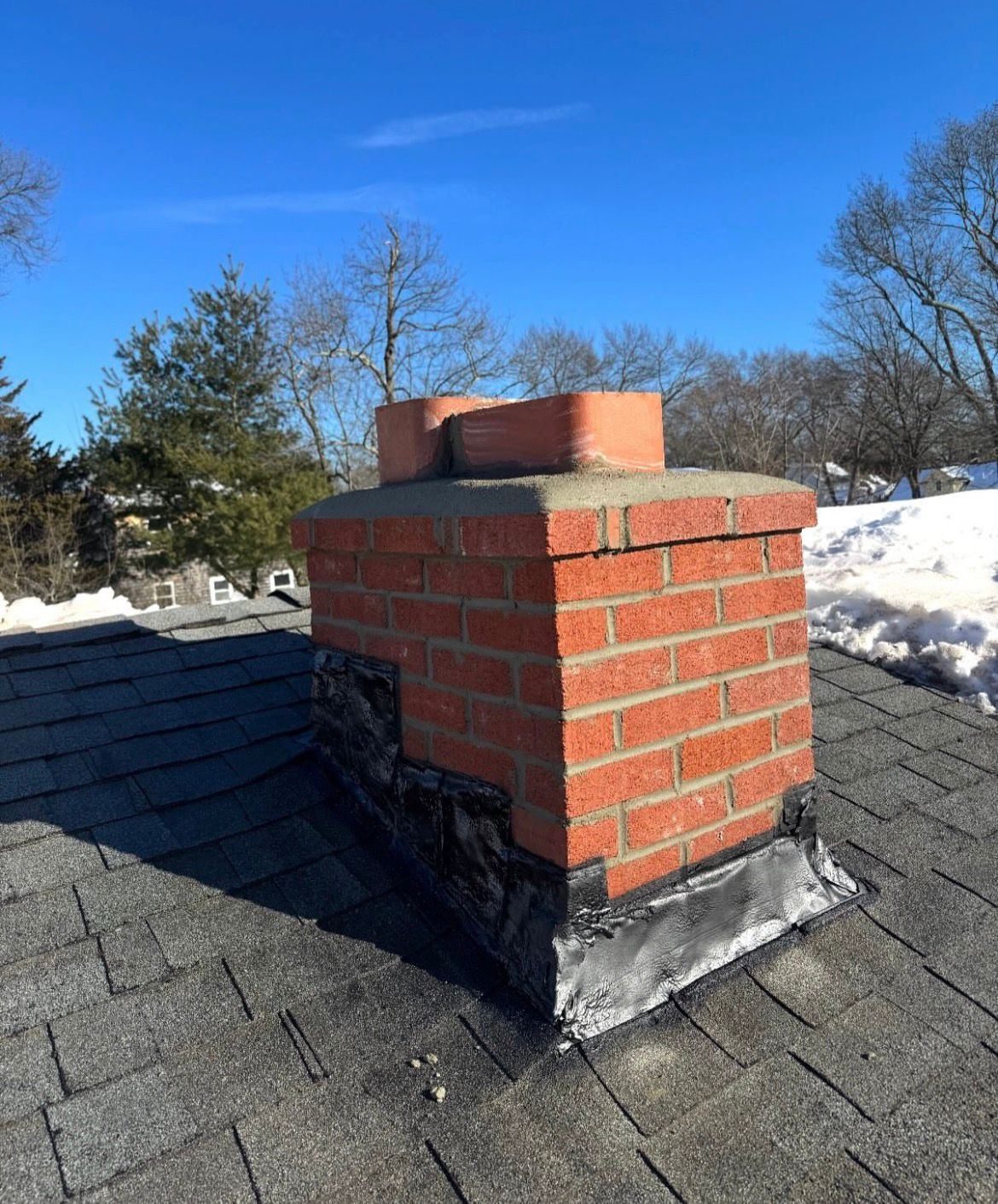
Isolated mortar deterioration, a handful of damaged bricks, a cracked crown, or failed flashing are all typically addressable through targeted repair without needing to touch the rest of the structure, assuming the core masonry is otherwise sound.
When a Partial Rebuild Enters the Conversation
If damage is concentrated in one section — commonly the portion above the roofline, which takes the most weather exposure — a partial rebuild of just that section can address the problem without reconstructing the entire chimney from the ground up.
Signs Damage May Be More Extensive
- Cracking that runs through multiple brick courses rather than isolated spots
- A chimney that appears to be leaning or separating from the house
- Widespread mortar loss across most visible joints, not a handful
- Recurring water damage despite previous spot repairs
Water Management Should Be Part of the Plan
Whether the outcome is a repair or a rebuild, addressing whatever let water in during the first place — a bad cap, cracked crown, or failed flashing — matters just as much as fixing the visible damage. Skipping that step risks recreating the same problem down the line.
Why an On-Site Evaluation Matters
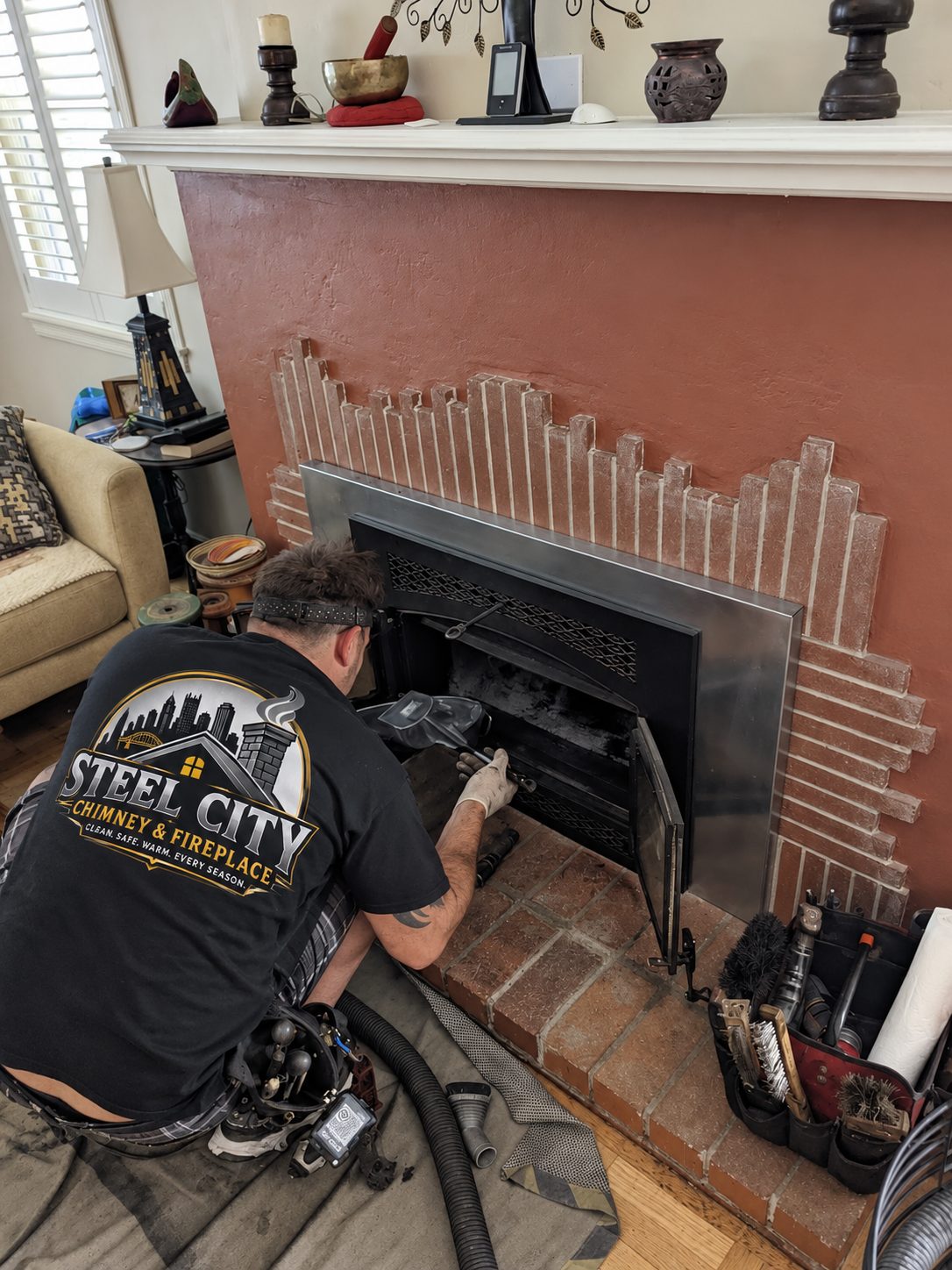
Photos and descriptions only go so far — a direct, close look at the masonry, crown, and flue interior is really the only reliable way to determine whether a chimney needs targeted repair, a partial rebuild, or something more extensive.
Ready to get your chimney checked out?
Request a free estimate online or give us a call — we'll get back to you quickly.