Can an Old Pittsburgh Chimney Be Saved?

Old Does Not Automatically Mean Failed
It's a common assumption that an old chimney is automatically a liability, but plenty of century-old masonry chimneys throughout Pittsburgh are structurally sound with reasonable maintenance. Age is context for what to expect, not a verdict on its own.
Separate Structural Condition From Venting Condition
A chimney's masonry structure and its interior flue/liner are really two separate questions. It's possible to have solid exterior masonry with an outdated or damaged liner, or the reverse — a fine liner inside masonry that needs real structural attention.
Look at Brick and Mortar Together
Mortar typically wears out well before the brick itself, since it's designed as the sacrificial layer. A chimney with worn mortar but intact brick is often a strong repointing candidate rather than a rebuild situation.
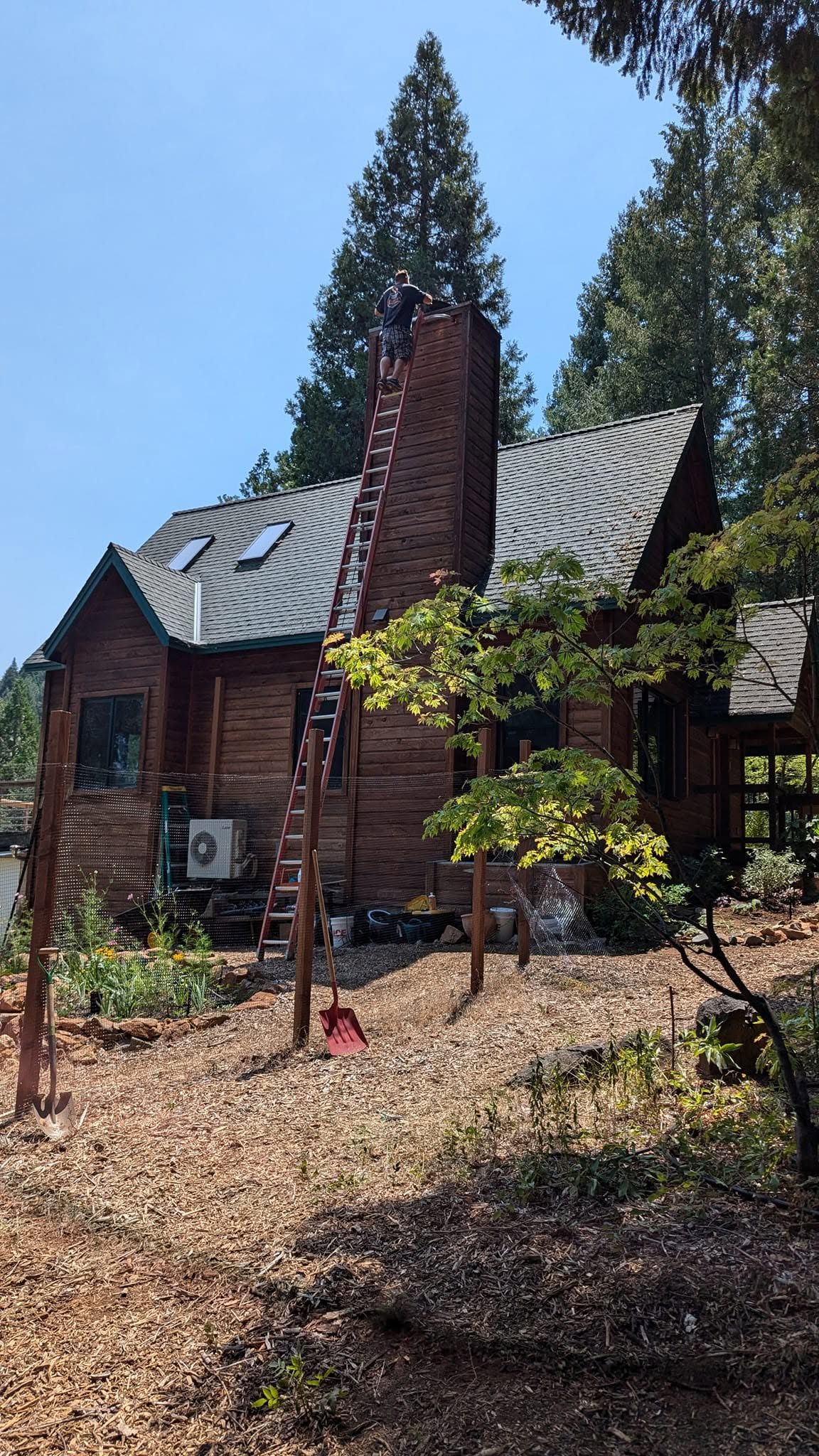
The Top of the Chimney Often Tells an Important Story
The crown and cap take the most direct weather exposure of any part of the structure, so their condition is often a good early indicator of how well the chimney has been maintained overall — and whether water has had an easy path in for years.
Previous Repairs Can Help or Hurt
A chimney with a history of appropriate, well-executed repairs is often in better shape than its age would suggest. One with mismatched mortar or improvised past patches can sometimes be worse off than a chimney that was simply left alone.
Repair, Partial Rebuild or Full Rebuild?
The honest answer requires a direct evaluation of the masonry, the flue, and the top-of-chimney components together. Many older Pittsburgh chimneys are genuinely salvageable with the right combination of repointing, liner work, and crown or cap replacement — but that's a conclusion an inspection should confirm, not assume.
Ready to get your chimney checked out?
Request a free estimate online or give us a call — we'll get back to you quickly.