
Wood-Burning vs. Gas Fireplace: Which Makes More Sense in Pittsburgh?
Start With How You Want to Use the Fireplace
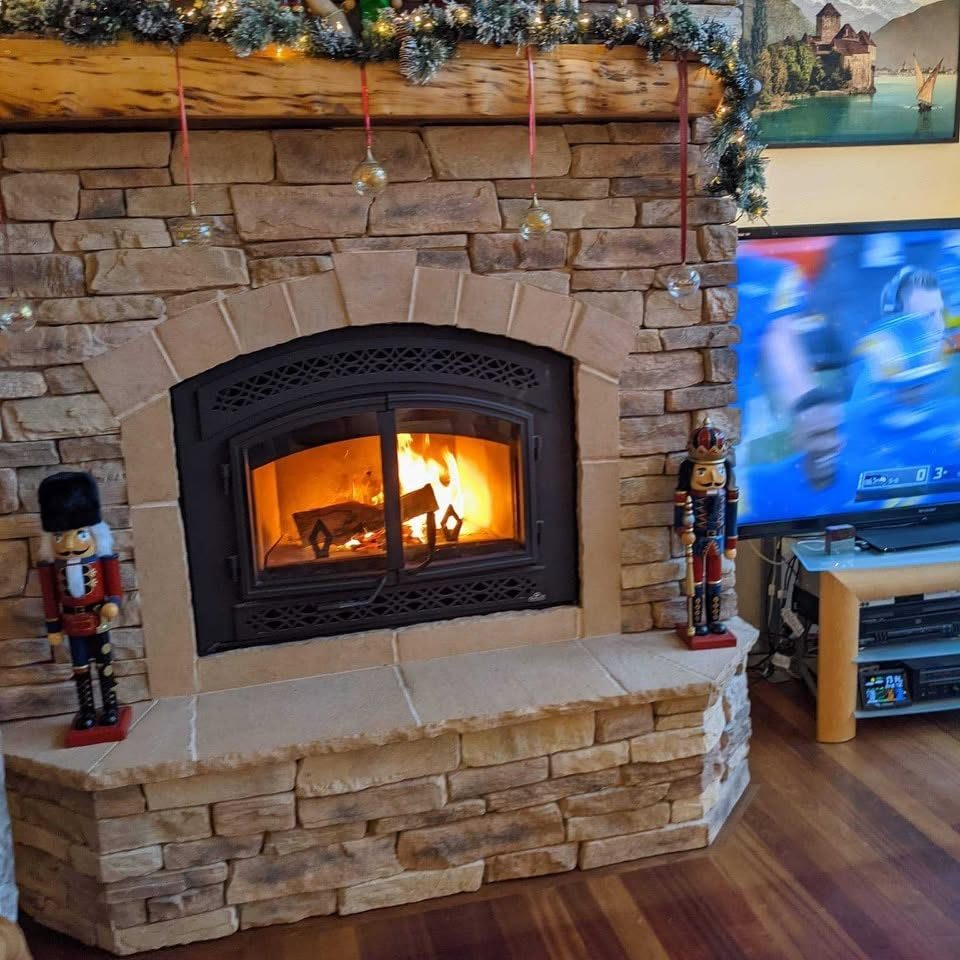
Some people want the specific experience of a real wood fire — the sound, the smell, the process of building and tending it. Others primarily want convenient supplemental heat and ambiance without the maintenance that comes with burning wood. That distinction matters more than almost any other factor.
The Wood-Burning Experience
A wood-burning fireplace requires sourcing and storing wood, regular cleaning to manage creosote, and more hands-on operation. In exchange, it offers the traditional experience many homeowners specifically want, along with the ability to function during a power outage.
The Convenience of Gas
A gas fireplace lights instantly, doesn't require wood storage or handling, and produces far less residue to manage. It generally needs a different, less frequent maintenance routine focused on ignition components and venting rather than creosote removal.

Maintenance Is Different
Wood-burning systems need annual cleaning tied to actual usage and creosote buildup. Gas systems need periodic service focused on burner and ignition components along with venting checks — less frequent creosote-driven maintenance, but not zero maintenance.
Your Existing Chimney Can Influence the Project
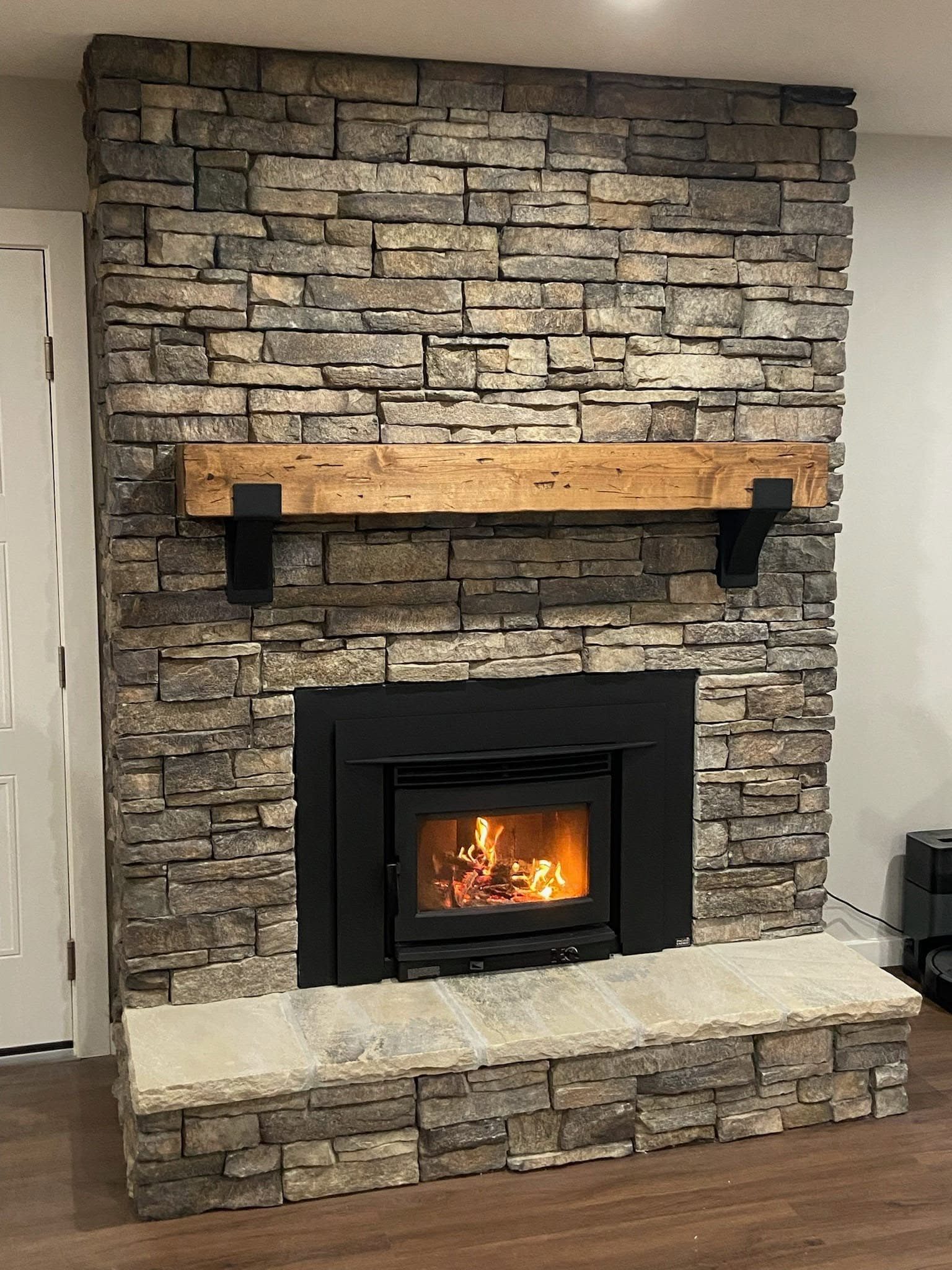
If you already have a masonry chimney, converting to gas or adding a gas insert is often more straightforward than building new venting from scratch, though the existing liner and venting still need to be evaluated for compatibility with the new appliance.
Think About the Whole System, Not Just the Appliance
Whichever direction you lean, the decision should account for the existing chimney's condition and venting setup, not just which appliance looks appealing in a showroom.
Ready to get your chimney checked out?
Request a free estimate online or give us a call — we'll get back to you quickly.