
Chimney Tuckpointing vs. Repointing: What Pittsburgh Homeowners Should Know
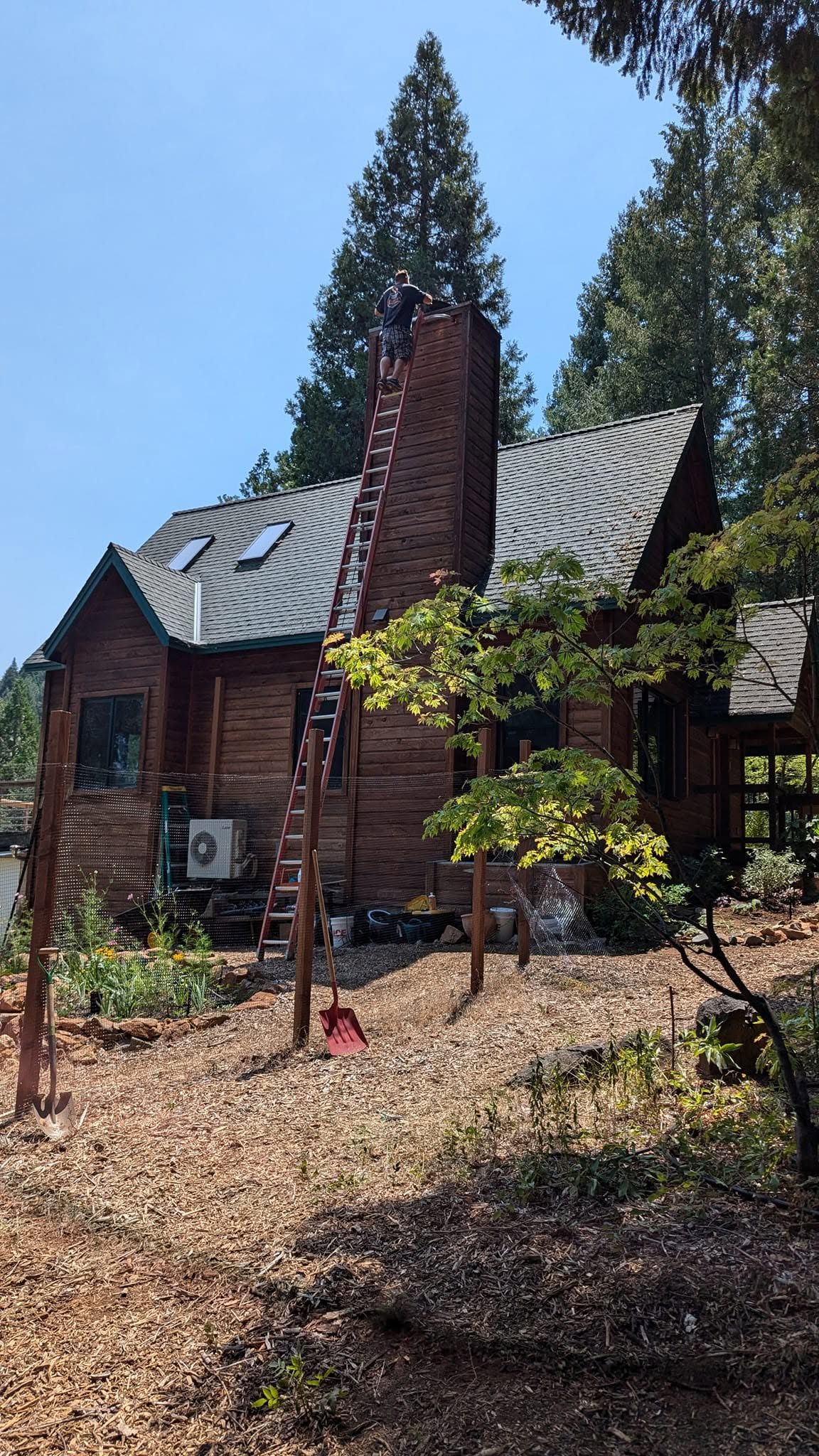
Why the Terms Get Confused
In everyday conversation, most masons and homeowners in this region use "tuckpointing" and "repointing" to mean the same basic thing: removing old, deteriorated mortar and replacing it. Technically, tuckpointing originally referred to a specific decorative finishing technique, but the terms have largely merged in common usage.
What Repointing Actually Accomplishes
Repointing removes deteriorated mortar to a consistent depth and replaces it with fresh, properly mixed mortar, restoring both the structural bond between bricks and the joint's resistance to water. It's one of the most common and effective repairs for aging masonry.
Where Tuckpointing Fits In
In its more technical, historical sense, tuckpointing involves creating a fine raised line in a contrasting mortar color to give the appearance of very thin, precise joints — a decorative technique more common on historic or high-end masonry than standard repair work.
The Important Part Is the Repair Method and Mortar Compatibility
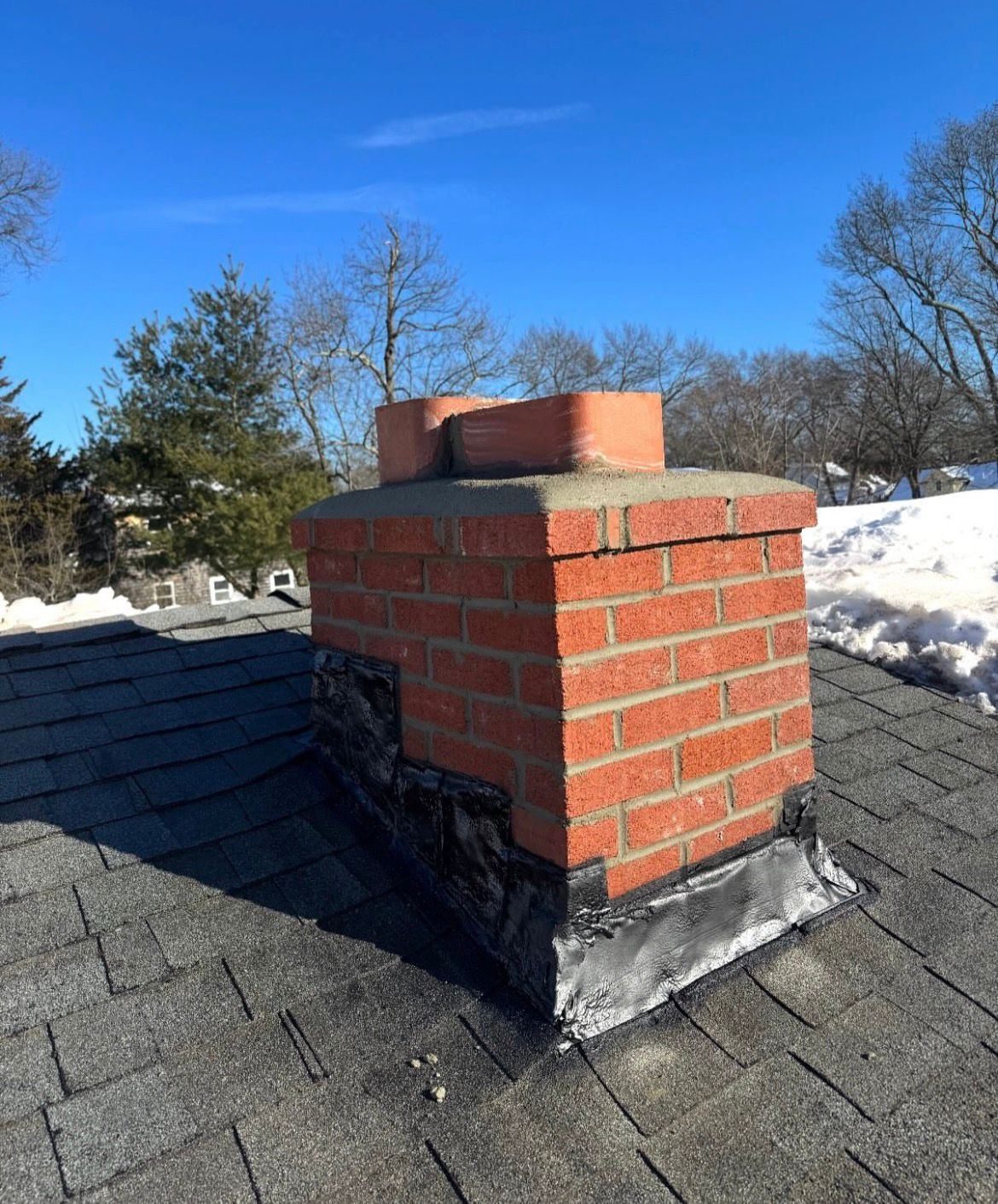
Whichever term gets used, what actually matters is whether the mortar is properly removed to sufficient depth, and whether the replacement mortar is compatible with the original in composition and hardness. Mismatched mortar can cause more problems than it solves, especially on older masonry.
Why Older Pittsburgh Brick Requires Care
A lot of older masonry in this region used softer, more porous mortar mixes than what's commonly used today. Repointing with modern, harder mortar on older brick can actually accelerate brick damage, since the mortar should always be the more sacrificial material of the two.
Signs Mortar Work May Be Due
- Mortar that crumbles or flakes when touched
- Visible gaps between bricks
- Bricks that feel loose or shift slightly
- Recurring water staining traced back to the masonry itself
Ready to get your chimney checked out?
Request a free estimate online or give us a call — we'll get back to you quickly.