
What Is a Chimney Crown—and Why Does It Crack?
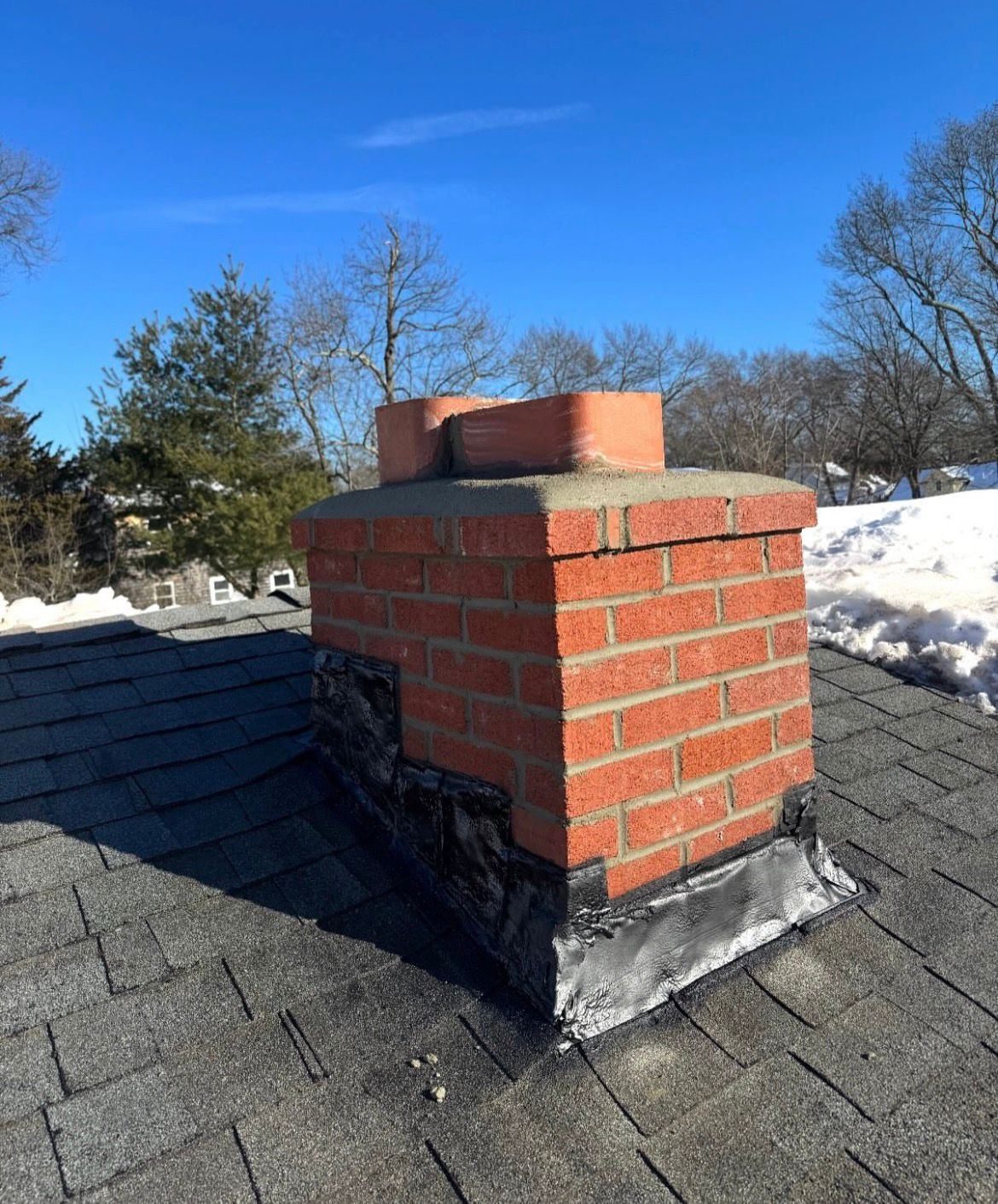
Where the Crown Is Located
The crown sits at the very top of the chimney's masonry, forming a cap over the structure with the flue opening (or openings, for multi-flue chimneys) passing through it. It's typically made of concrete or a mortar-based mix, and it should be sloped rather than flat.
What a Good Crown Is Supposed to Do
A properly built crown sheds rain and snowmelt away from the flue opening and off the sides of the chimney, keeping water from pooling on top of the masonry. The slope and an appropriate overhang beyond the brick are both part of doing this correctly.
Why Crowns Develop Cracks
Sitting fully exposed on all sides, the crown takes direct sun, rain, snow, and temperature swings with nothing to shield it. Combined with sometimes-thin original construction or a flat rather than sloped profile, cracking is extremely common over enough seasons.
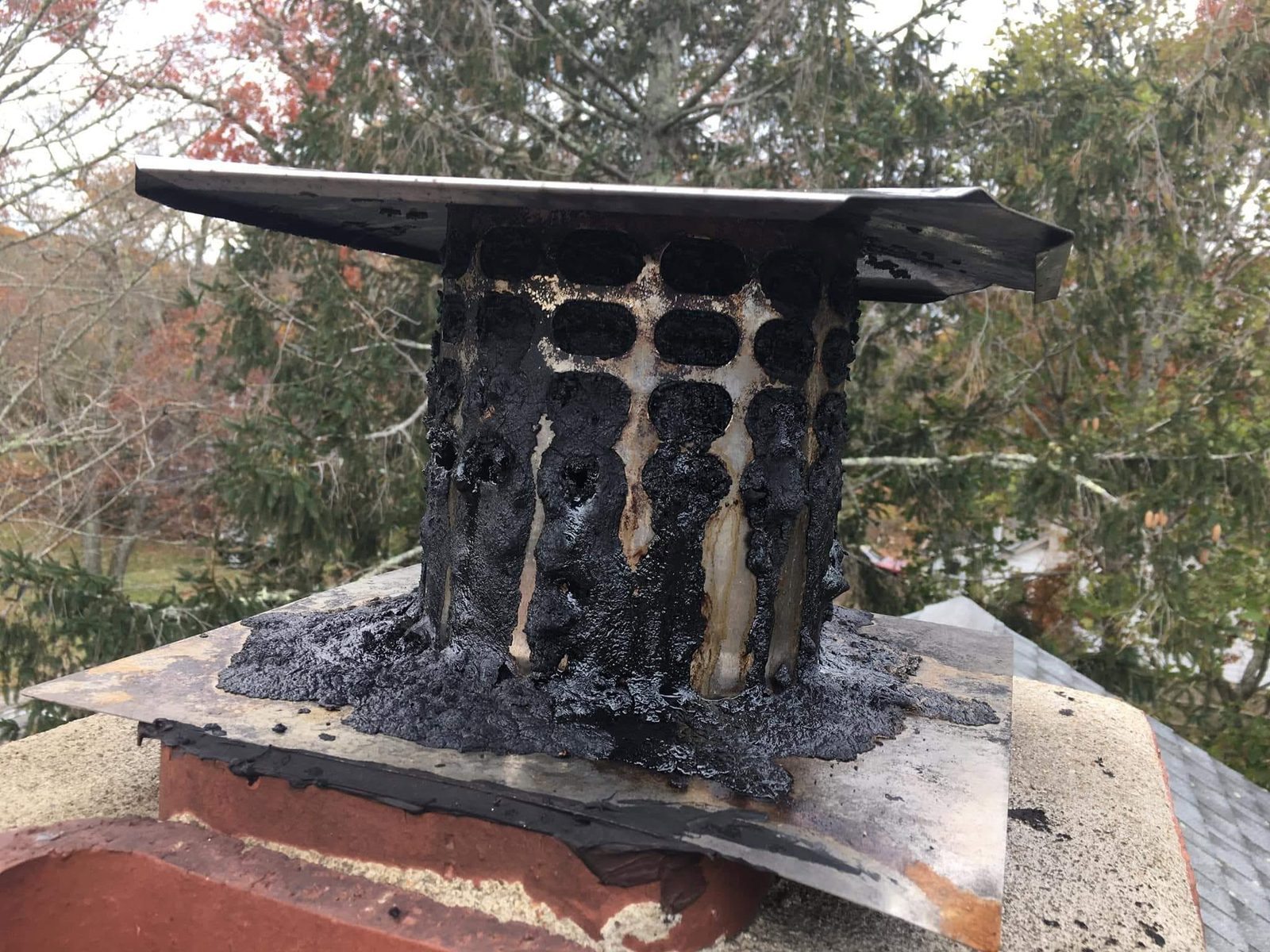
How Crown Damage Leads to Water Entry
Once a crack forms, water works its way underneath the crown surface and into the masonry below, where freeze-thaw cycling does further damage from the inside. This is one of the more common root causes behind chimney leaks that initially seem to be coming from somewhere else.
Repair vs. Replacement Depends on Condition
A crown with limited surface cracking and a sound underlying structure can often be sealed and resurfaced. More extensive cracking, crumbling concrete, or a crown that was built flat instead of sloped usually calls for removing and rebuilding it properly.
Do Not Forget the Cap and Masonry Below
Crown repair addresses one specific water-entry point, but it's worth checking the cap and surrounding masonry at the same time, since a chimney old enough to have crown damage often has more than one small vulnerability.
Ready to get your chimney checked out?
Request a free estimate online or give us a call — we'll get back to you quickly.