
Why Does My Fireplace Smell When It Rains?
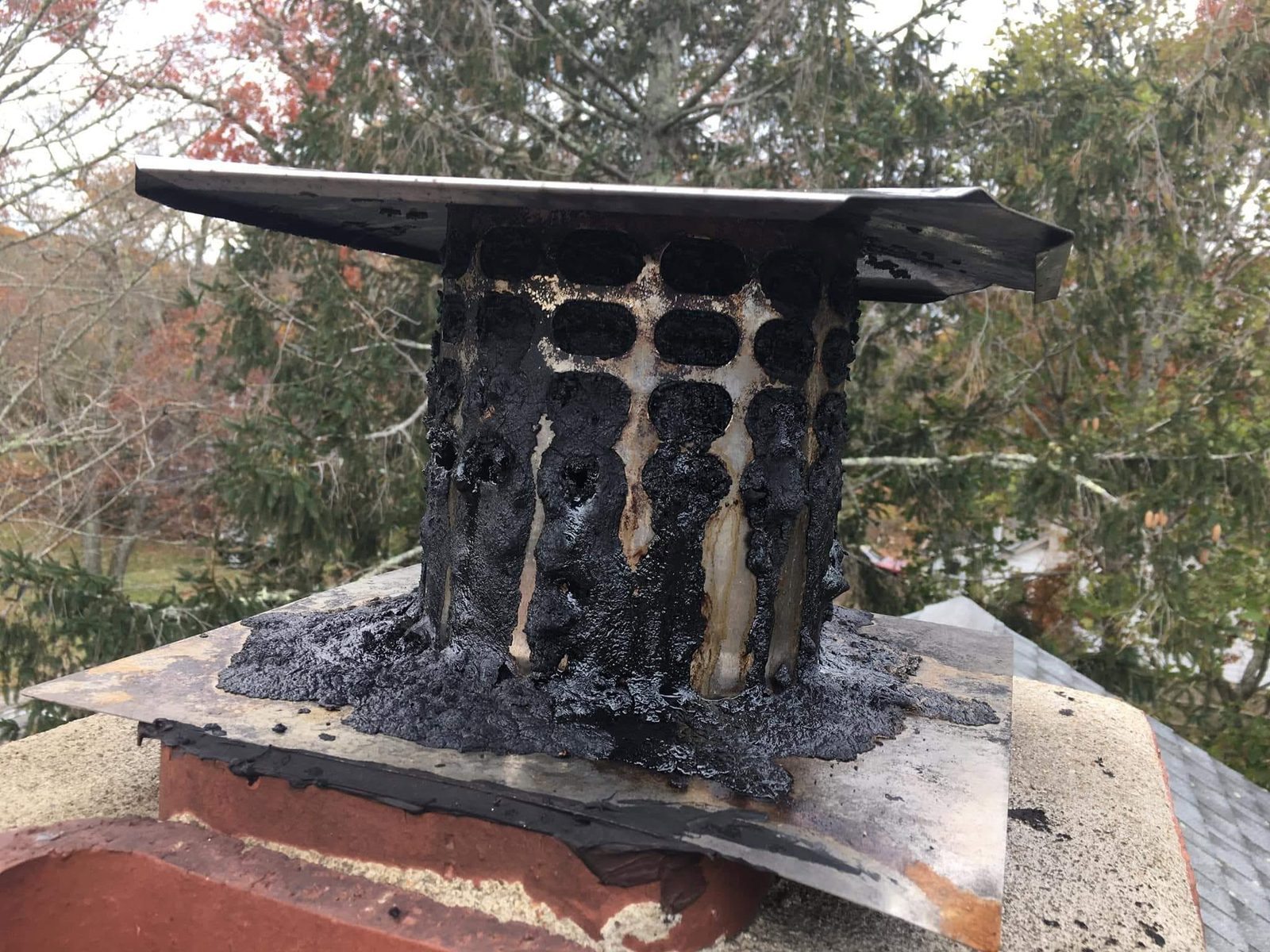
Why Humidity Can Make Existing Odors Stronger
Creosote and soot residue inside the flue can produce a stronger smell as humidity rises, since moisture in the air interacts with the residue's odor compounds. This is one of the most common explanations and doesn't necessarily mean anything new is wrong.
Moisture May Be Entering the Chimney
If the odor correlates specifically with active rain rather than just general humidity, it's worth considering whether water is actually getting into the flue through a missing cap, cracked crown, or failed flashing, and picking up smell as it interacts with residue on the way down.
Negative Pressure Can Pull Chimney Air Indoors
Weather changes, including the pressure shifts that come with storms, can sometimes affect how air moves through a chimney, occasionally pulling odor into the house that wouldn't otherwise be noticeable.
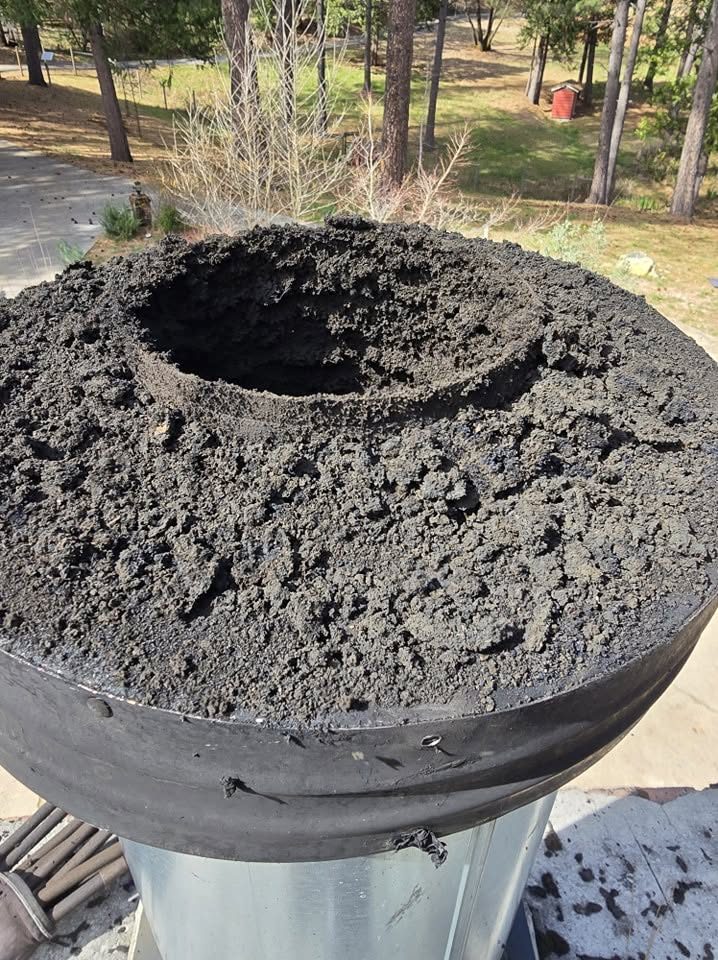
Deposits Can Hold Strong Odors
Older creosote deposits, in particular, can hold onto strong odors for a long time, releasing them more noticeably when conditions change. This is part of why cleaning frequency affects not just fire safety but also how the fireplace smells day to day.
A Cap Helps Some Problems but Not Every Problem
A properly fitted cap reduces water and debris entry, which can help with moisture-related odor, but it won't address a smell that's coming purely from existing residue already inside the flue — that requires cleaning.
Treat the Cause, Not Just the Smell
Air fresheners and similar quick fixes don't address whatever is actually producing the odor. A cleaning and inspection is the more direct way to identify whether the cause is residue buildup, water intrusion, or something else entirely.
Ready to get your chimney checked out?
Request a free estimate online or give us a call — we'll get back to you quickly.